
The Devil’s Footprints
October 30, 2025
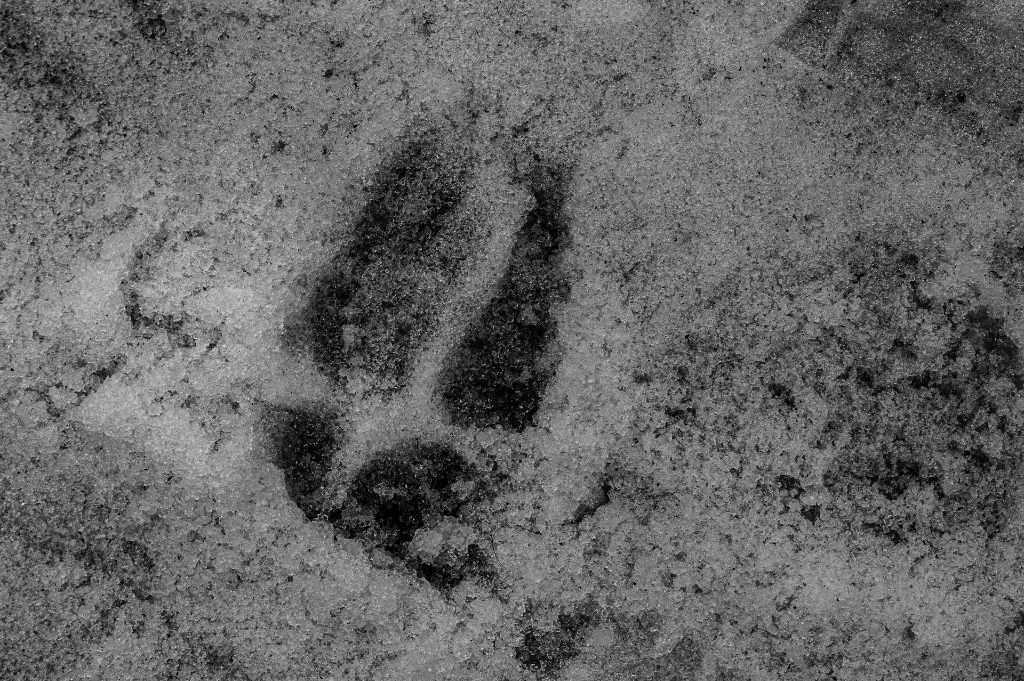
I think about that winter sometimes. The one when the snow came heavy and didn’t stop for three days straight. The coast was hushed, all the sounds caught in the drifts — even the sea seemed to move slower.
It was after that storm when the footprints appeared.
They started near Waldoboro, or maybe a little closer to Thomaston, depending on who you ask. The first man to see them was a farmer. He stepped outside before dawn to check the animals and noticed a line of tracks cutting straight through his yard. Tiny hoofprints, close together, perfectly spaced.
He followed them to the fence. They didn’t stop there. The prints went right over it — one step on each rail, then down the other side, clean as if gravity had been forgotten.
By afternoon, half the town had seen them. They crossed fields, barns, rooftops. Over frozen rivers and stone walls. Miles of prints, unbroken. Too straight for an animal, too sure for a person.
People brought lanterns into the woods that night, watching how the light caught on the snow. You could hear them talking low — neighbors, fishermen, mothers holding their children close. Someone said the tracks led through the churchyard and down toward the shore.
At the water’s edge, they stopped. One final print at the lip of the tide, like a step taken midair.
When morning came, the marks were gone. The snow had hardened, the wind had changed, and the world looked normal again. But no one forgot that line of steps — the way they went where nothing should’ve been able to walk.
Old families along the coast still tell it when the weather turns. I heard it first from a lobsterman in Friendship who swore his grandfather saw the prints himself. He said they were sharp-edged, deep enough to cast their own shadows.
Every winter since, when the snow piles against the windows and the world goes quiet, I find myself looking out toward the treeline. Not expecting anything, exactly. Just listening.
Because there are stories that live longer than the proof they left behind.
And the snow — it has a way of remembering.
Author’s Note
Reports of the “Devil’s Footprints” appeared along Maine’s coast in the 1840s, with sightings recorded in Waldoboro, Thomaston, and surrounding towns. Residents described single-file tracks resembling small hooves that continued for miles across fences, rooftops, and rivers. A decade later, a nearly identical event was documented in Devon, England.
The explanations have never held — not weather, not animals, not men. The story endures because it’s simpler, and stranger, than all that: a moment when the ordinary world carried proof of something that refused to stay unseen. to the 19th century and blend elements of Dutch, Native, and colonial folklore.
Leave a Reply