
The Children Beneath the Lake
October 29, 2025
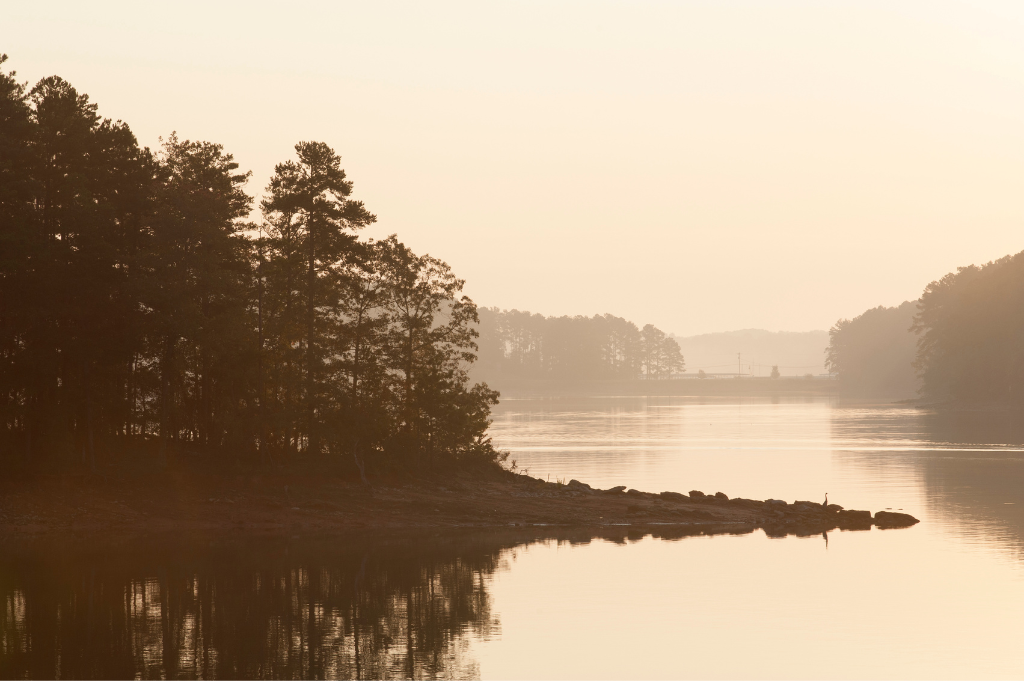
At first glance, Lake Lanier looks calm. The kind of calm that comes from wide water and open sky — a place made for swimming, boating, forgetting. But stillness can be deceiving. The lake doesn’t rest. It hums.
Beneath it lies the town of Oscarville, or what’s left of it. When the government dammed the Chattahoochee River in the 1950s, the valley filled and the people left. Not everyone left in time.
Old roads still run below the surface. Divers have followed them — long ribbons of cracked pavement leading nowhere. The outlines of houses are there too, chimneys rising like stone teeth, a church steeple still reaching for a heaven it can no longer see.
The water carries stories.
Locals remember the day they heard the sirens. A school bus, they say, lost its footing on the bridge near Gainesville and went under before anyone could reach it. No wreckage was ever pulled up.
A generation later, fishermen began to talk about what they’d caught in their nets — a toy wheel, a child’s satchel, things that shouldn’t have survived. The sheriff’s office keeps a list of drownings. It grows longer each year.
Lanier takes people quietly. One step too far from the dock, a slip off a wakeboard, a boat that drifts the wrong way in fog. The stories return every summer. Families gather, candles are lit, names are remembered, and still the lake stays full.
At dawn, before the boats arrive, the surface is smooth enough to reflect everything — sky, pine, light. If you stand close, you can see your own face there, blurred and wavering. And if you listen, truly listen, you’ll hear it: the soft breath of water moving against what it shouldn’t touch.
The lake doesn’t whisper. It remembers.
And it remembers everything.
Author’s Note
Lake Lanier was created in 1956 when the U.S. Army Corps of Engineers flooded more than fifty square miles of farmland, forest, and several small towns in northern Georgia. Among them was Oscarville, a largely Black community erased by the project. Over 700 drownings have been recorded in the decades since. Whether those who live nearby speak of hauntings or history, the truth remains the same — this lake holds the weight of what it covered.lements of Dutch, Native, and colonial folklore.
Leave a Reply