
The Witch of Pungo
October 27, 2025
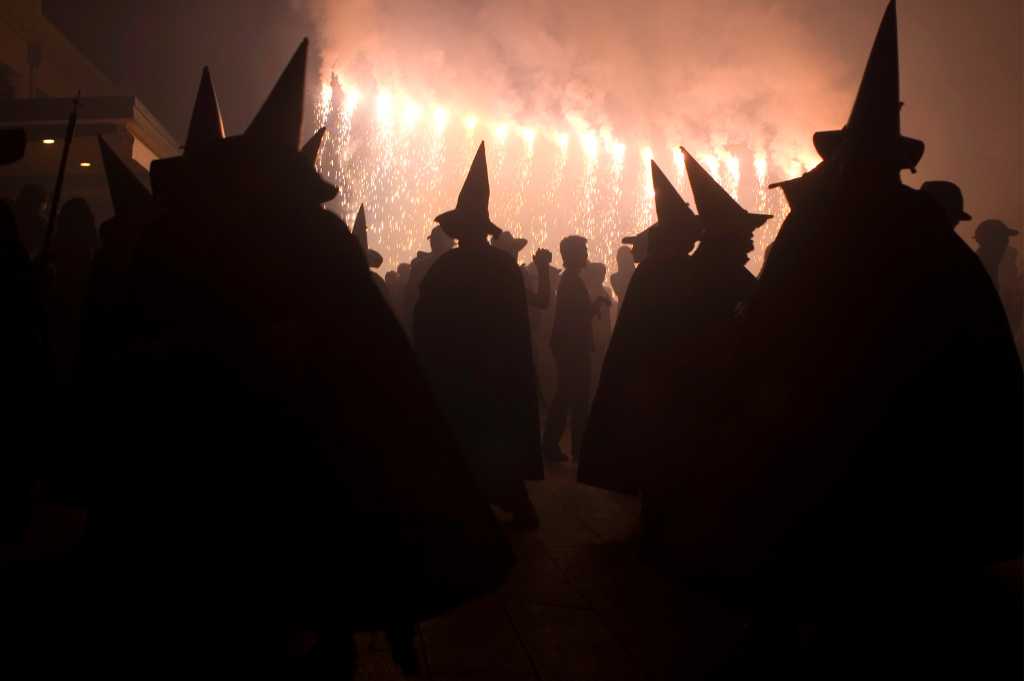
The marshes near Virginia Beach used to stretch for miles. Flat and low and full of whispers. Pungo was a small place then — a handful of farms, the smell of salt in the air, and creeks that shimmered under moonlight.
Grace Sherwood lived on the edge of it all. A farmer’s wife once, then a widow. She grew herbs behind her house, healed what she could, and kept mostly to herself. People called her clever. Others called her strange. And when crops failed or a child got sick, the talk turned sharp.
They said Grace had cursed them.
By summer of 1706, the gossip had grown into something heavier. The men in town decided there was only one way to know for sure. They tied her up, rowed her out into the Lynnhaven River, and promised to let God decide. If she sank, she was innocent. If she floated, she was a witch.
The river was calm that morning. The crowd waited. When they lowered her in, she rose to the surface — skirts ballooned, ropes straining, face toward the sky.
She floated.
They pulled her out, called it proof, and locked her away.
Grace spent years in jail before they finally let her go. She went home to her farm and stayed there until the end of her life. Neighbors swore they saw her walking barefoot through the fields at dusk, gathering plants, talking softly to no one they could see.
And even now, when the air turns thick over Muddy Creek, a light moves through the fog — slow, golden, almost tender. Some say it’s Grace, lantern in hand, still making her rounds.
Maybe she’s just tending to what she planted. Maybe she’s reminding us she never really drowned.
Either way, she’s still out there.
Author’s Note
Grace Sherwood was real. Tried by water in 1706 — Virginia’s last convicted witch. She lived another thirty-four years after her ordeal and died on her land in Pungo. Three centuries later, she was pardoned. There’s a statue of her near the old courthouse now, looking toward the marsh. People still leave flowers at her feet.udson River rather than the Horseman. Stories of a weeping woman near the waterline date back to the 19th century and blend elements of Dutch, Native, and colonial folklore.
Leave a Reply