
The Silence Between Trees
July 6, 2025
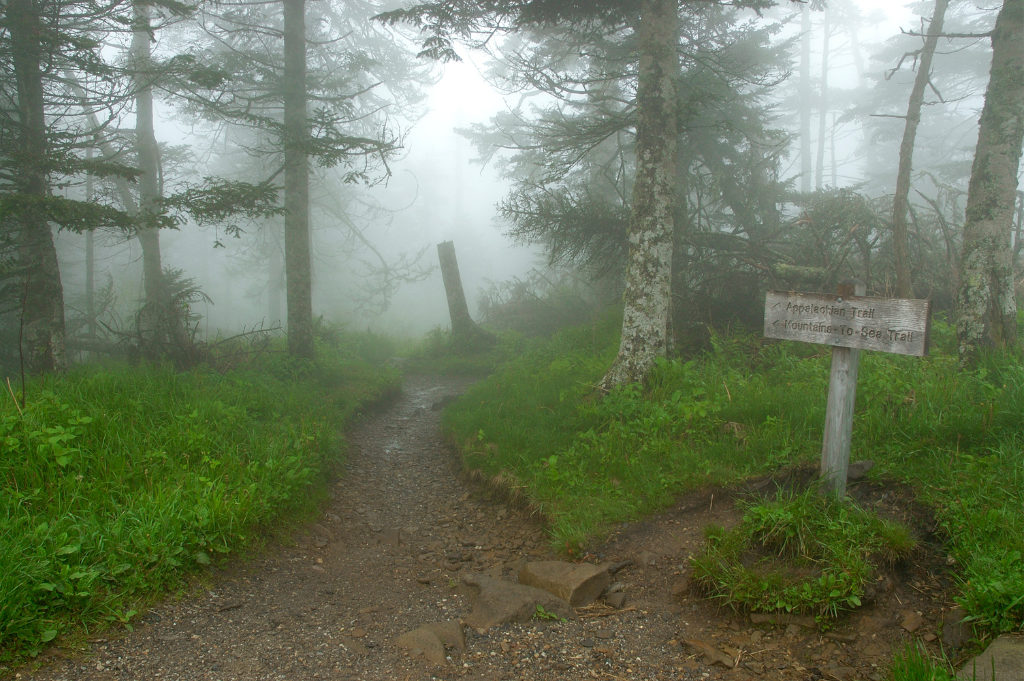
People do it all the time—head out alone on the Appalachian Trail.
She’d packed carefully, revised her checklist until it made her anxious. Ten days felt manageable. After all, she wasn’t chasing anything. She just wanted the peace and quiet that comes with walking deep into the woods.
The first few days went by the book: cold mornings, quiet camps, the occasional rustle in the woods that made her heart jump before logic stepped in.
On the third night, something woke her. A sound outside the tent—measured footsteps, slow and close.
She held her breath, heart pounding, listening for anything else.
A few steps. Then nothing. Just stillness.
In the morning, there was a sock hanging from a low branch nearby. Not hers. Clean. Folded.
And next to it, knotted loosely around a bit of bark, was something stranger—
a length of twine wrapped through a piece of matted fur.
Weird, but not worth panicking over. Hikers leave things behind. Maybe someone thought they were being helpful. Or funny.
She kept moving.
The next hiker she saw was on day five. A man headed the opposite direction—older, maybe late forties, with a weathered face and one of those old external frame packs you hardly see anymore.
They nodded as they passed. Trail etiquette.
But as he went by, he mumbled something.
She turned. “Sorry?”
He didn’t answer. Just kept walking.
Later, when she thought about it again, she was pretty sure he said:
“They come after dark.”
That’s when the trail started feeling different.
She stopped using her camp stove. Didn’t want the smell of food drifting. She picked campsites farther off trail. Tried not to leave anything behind.
But the footsteps kept coming.
Always just outside the tent. Always late at night.
One morning, she woke up to a small stack of rocks near her tent door. Four stones. Neatly balanced.
Another morning, there were two long scratches in the dirt, like something had been dragged—though nothing in her site was missing or disturbed.
She followed the marks a few feet out from camp, where they ended abruptly in a patch of moss beneath a fir tree.
There, the earth was slightly dipped and covered with a scatter of stones. Not a pile. A pattern.
She didn’t tell anyone. There wasn’t anyone to tell.
By the ninth day, she gave up on the loop and turned around.
That night, she camped near an old cabin—locked and empty, but solid. It felt better than nothing.
She fell asleep early, out of exhaustion more than comfort.
At some point after midnight, there was a knock.
Three slow taps on the tent wall.
Then a voice.
“Too loud.”
Quiet. Just behind her. Close enough to feel the breath in it.
She hiked out the next day without stopping. Covered twenty-four miles straight.
At the trailhead, pinned to a corkboard next to an old map, were a few missing person flyers.
She didn’t stop to read them.
But weeks later, out of curiosity—or maybe guilt—she looked one up. A woman, early fifties. Vanished in Pennsylvania. Her trail journal was found years later, tucked in her pack beside her body.
The last line read:
“I think they’re watching again tonight. I don’t think they sleep.”
Some say the trail has its own rules. That if you respect the woods, you’ll be fine.
But every now and then, someone steps a little too far off the path.
And they don’t make it back.
*While the idea of “feral people” in the Appalachian wilderness is mostly myth, hikers have gone missing under strange and unexplained circumstances for decades. This story also draws inspiration from a few shared personal accounts set near areas of the AT.
Leave a Reply